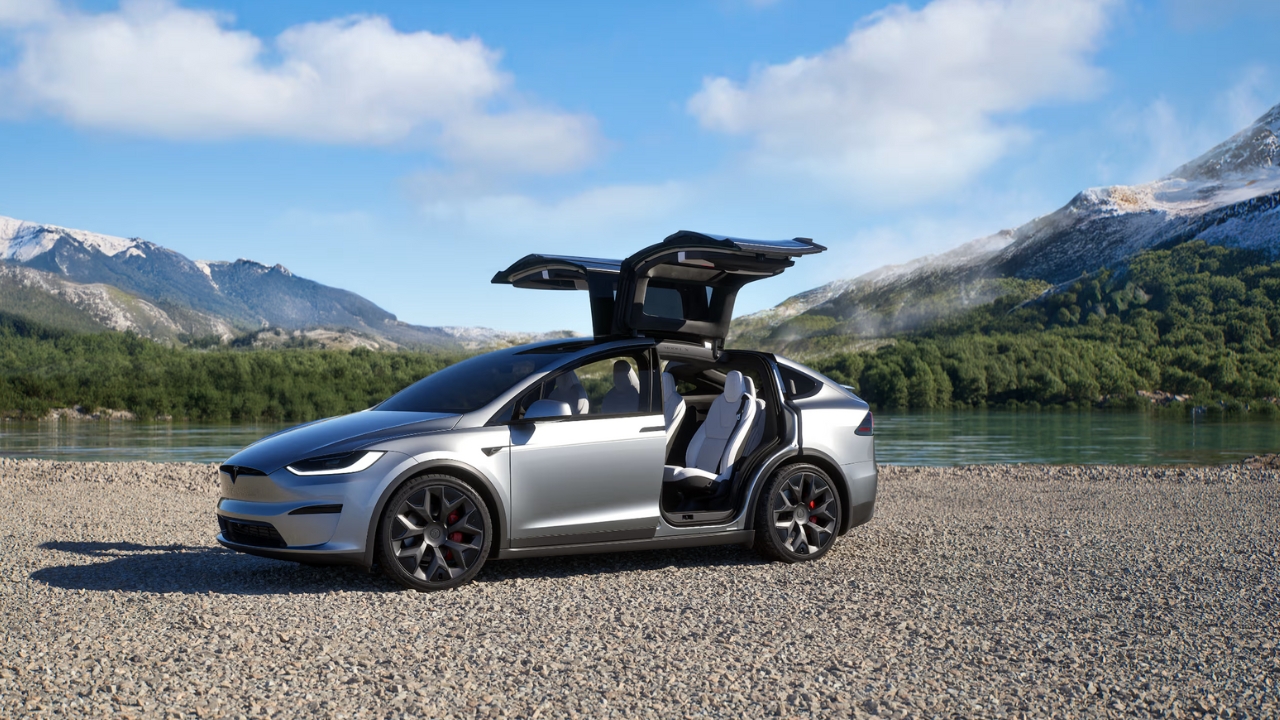






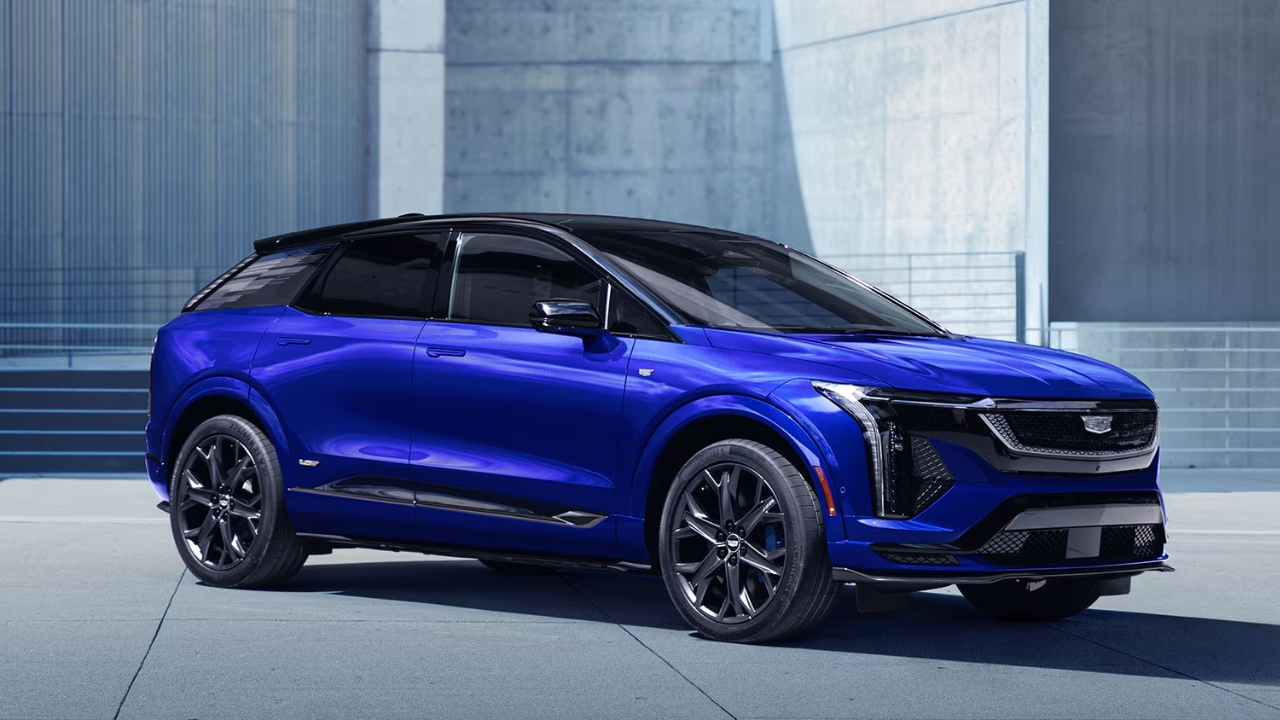


Will electric cars completely replace fossil-fuel powered vehicles in the future? If so, what will be the effect on our society and economy? In this article, we’ll explore these questions, as well as a few other ones about how an electric vehicle can be assisting in the fight against climate change.
What is an Electric Vehicle?
An electric vehicle, or EV for short, is a vehicle that uses electricity instead of fuel. Some EVs use only electricity which means you never have to stop and refuel. An EV has batteries which can be recharged by plugging it into an outlet. EVs also cost less to own because they don’t require as much maintenance as a conventional car.
Benefits of an Electric Vehicle
An electric vehicle is a great way to reduce your running costs, contribute to the environment and be more efficient. With a battery-electric vehicle, you’ll reach 80% of your destination in only 20% of the time it would take to drive an average car. The energy in batteries can last for 160,000 miles. With the recent economic changes, many people are finding themselves with rising electricity bills and purchasing an EV is a great way to offset that cost.
Are the Pros Consistent?
Electric vehicles have been a topic of debate for quite some time. Some people say that they are cleaner than traditional vehicles, while others say that they are not. One thing is for sure, the price of electric cars has dropped significantly in the last few years. If you are hesitant to invest in an electric vehicle, now might be the time to do so before gas prices spike again.
How the electric vehicle works
An electric vehicle is a type of car that has no combustion engine and no emissions. Electricity powers all the vehicles on the road today and by 2040, electric vehicles will make up more than 90% of new cars sold in America.
Dangers of an Electric Vehicle
Electric vehicles are the future of transportation. They are eco-friendly, emissions-free, and take up less space than gas cars. However, some people worry about the safety of electric vehicles because they don’t have a traditional engine. The Dangers of an Electric Vehicle addresses these fears by citing recent studies that show that electric vehicles are much safer than gas cars.
Conclusion
Tesla’s car proves that it is possible to produce a vehicle that can travel over 200 miles on a single charge and get to 80% of the U.S.’s electricity needs with only 170 pounds of CO2 emissions per year. This cutting-edge technology has led to more conversations about the environmental impact of electric vehicles and the benefits they provide for drivers, the country, and the planet.